The ABO incompatible kidney transplant India program was born out of a critical necessity. In a country where deceased donor transplantation is not common and more than 90% of transplantations rely on living donors, severe blood group mismatches often meant patients had no options.
In 2009, my team and I at MIOT Hospitals set out to change this. We became the first in India to perform an ABO-incompatible kidney transplant without a splenectomy, utilizing the Japanese desensitization protocol. Today, with over a decade of data, our center has one of the most extensive long-term experiences with this procedure in the country.
The 2009 Milestone: First ABO Incompatible Kidney Transplant India Experience
Our initial breakthrough was published in the Indian Journal of Transplantation (2012). We studied the first 13 patients who underwent ABO-incompatible transplantations across different blood group combinations since 2009. The preconditioning was done strictly per the Japanese protocol. While two patients experienced immediate antibody-mediated rejection (ABMR) and lost their grafts, the remaining 11 patients achieved normal graft function without complications. This proved that the ABO incompatible kidney transplant India program was feasible without endangering the life of the recipient, and with reasonable cost control.
Navigating Early Complications
We quickly learned that while the procedure is feasible, it is not without risks. Because the protocol involves desensitization one to four weeks prior to transplantation and increased immunosuppression initially, the complications are higher than in regular kidney transplants. In our 2016 review for Elsevier (ECAB Clinical Update), we documented that major early complications include an increased incidence of Antibody Mediated Rejection (ABMR), bleeding, and infections—particularly urinary tract infections and pneumonia.
In a country like India, infections are a major problem related to excessive immunosuppression. Therefore, modifying the protocol to prevent immediate ABMR while minimizing infection risk became a core focus of our practice.
Long-Term Outcomes: A Study from India
The ultimate test of any transplant is long-term survival. In 2016, we became the first center to report the long-term outcomes of the ABO incompatible kidney transplant India program(Open Access Library Journal). We analyzed 18 patients with a follow-up exceeding 12 months (up to 66 months).
The results were highly encouraging. Despite the increased incidence of short-term complications, the long-term outcome was similar to compatible kidney transplantation. The graft function was excellent, with an average follow-up period of 38.2 months and no patient mortality during the study period. This landmark paper confirmed that our Indian patients could safely enjoy the same long-term benefits as those receiving blood-group-compatible organs.
Innovation: The Role of Bortezomib
Some patients have difficulty in achieving target antibody titers due to refractory and rebound isoagglutinin levels. To address this, we introduced the use of Bortezomib in patients with moderately high baseline titers during preconditioning.
Our case series, published in the International Journal of Medical Reviews and Case Reports (2020), demonstrated that incorporating Bortezomib can safely and effectively reduce the number of plasma exchanges required. This is a critical innovation, as it minimizes the attendant complications of plasmapheresis and makes the therapy more accessible and tolerable for high-titer patients.
Expanding the Horizon: From ABO to Bombay Blood Group
Over the years, our center has successfully performed several of these transplants, constantly refining the art of desensitization. The success of this program laid the groundwork for our most recent global milestone. In 2025, utilizing the principles we developed in ABO-incompatible transplantation, my team successfully performed the world’s first kidney transplant in a patient with the Bombay blood group (ABO-H incompatible).
Read about the World’s First Bombay Blood Group Transplant here →
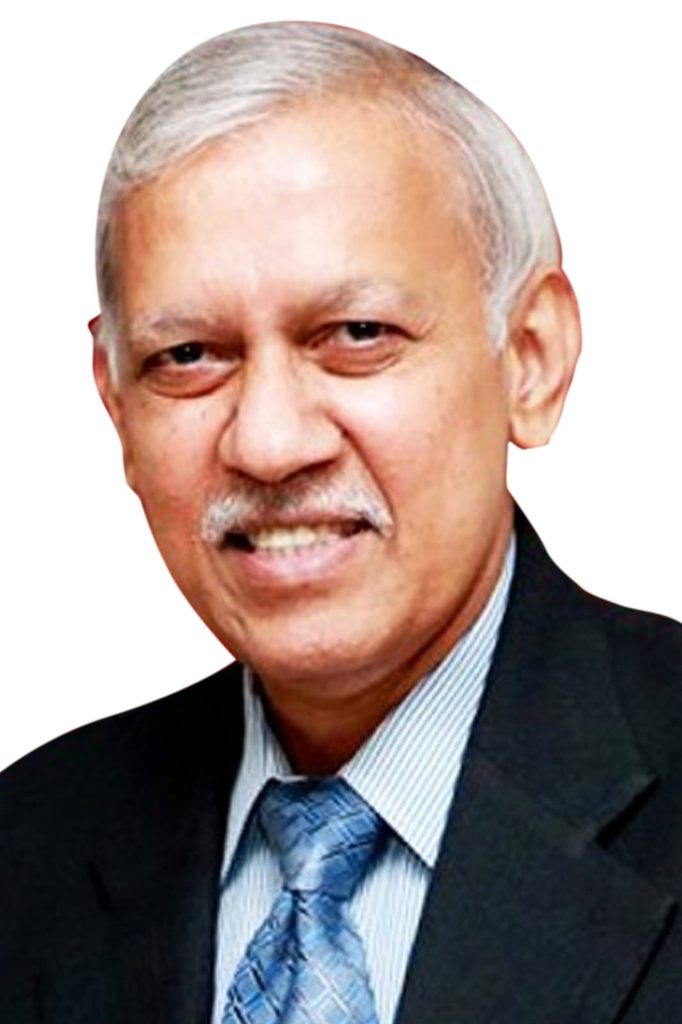
Dr. Rajan Ravichandran is the Director of Nephrology at MIOT Hospitals and Chairman of Sapiens Health Foundation. He is the senior and lead author of these studies.